7 Best Automatic Coffee Shop Machines for Global Buyers
Choosing equipment for an Automatic Coffee Shop involves more than comparing prices and touchscreen features. Global buyers must consider daily volume, drink variety, staff training, water quality, voltage, and local service support. A machine that performs well in Milan may struggle in Bangkok or Nairobi without suitable filtration and maintenance.
Coffee authority James Hoffmann has often emphasized a simple principle: “The best coffee is the one you like.” That idea matters here. The best commercial machine is not always the fastest or most expensive. It should produce a consistent espresso, stable milk foam, and reliable drinks during busy service. Small details matter. A clear display can reduce training time. A removable brewing unit can simplify cleaning. A strong steam system can prevent weak cappuccinos at 8 a.m.
This guide reviews seven automatic coffee shop machines for international buyers. The comparison considers brewing consistency, user control, cleaning routines, energy use, durability, and after-sales support. It also examines practical issues, including bean hopper capacity and compatibility with regional power systems.
Some ratings remain subjective. Taste preferences differ, and manufacturer specifications do not always reflect real café conditions. That is worth remembering. A machine may look impressive in a showroom, yet behave differently beside a hot pastry oven. Buyers should request demonstrations, test local water, and calculate service costs before purchasing. A perfect machine probably does not exist. A dependable fit does.
Global Coffee Shop Demand: ICO Estimates 2 Billion Cups Consumed Daily
Global coffee demand is enormous. The International Coffee Organization estimates that people consume about 2 billion cups daily worldwide. This figure explains why automatic coffee shop machines matter to global buyers. Even a small café may face hundreds of orders before noon.
The ICO Coffee Development Report highlights coffee’s growing role in employment, trade, and food-service businesses. Meanwhile, FAO market data shows that coffee prices and production can change because of weather, logistics, and supply conditions. Buyers should therefore examine seven machine categories carefully: automatic espresso systems, bean-to-cup machines, batch brewers, filter coffee makers, capsule systems, cold coffee dispensers, and high-volume commercial brewers. Capacity is important, but consistency matters more. A machine should control dosage, water temperature, grinding, and cleaning cycles.
In practical purchasing reviews, water quality is often underestimated. Hard water can damage heating systems and alter taste. Daily cleaning also requires real staff time, not optimistic planning. Fast service helps, but speed alone can create weak extraction and unnecessary waste. The Specialty Coffee Association emphasizes repeatable brewing variables, including water, temperature, and contact time. Buyers should compare these specifications instead of trusting impressive output claims. No machine wins everywhere. A compact unit may suit a hotel lobby, while a larger system fits a busy transport hub. Some assumptions will be wrong after installation. That is why local service access, spare parts, energy use, and operator training deserve equal attention.
Automatic Machine Types: Bean-to-Cup, Superautomatic, and One-Touch Models
7 Best Automatic Coffee Shop Machines for Global Buyers
Coffee demand keeps expanding across markets. The International Coffee Organization reported global consumption of about 177.9 million 60-kilogram bags in 2023/24. For busy shops, automatic equipment can protect speed, consistency, and labor efficiency.
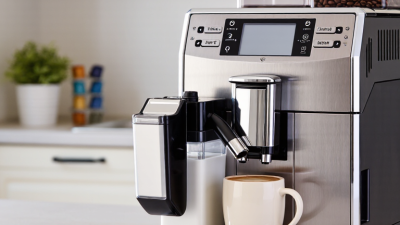
Bean-to-cup machines grind whole beans for each order, then brew directly into the cup. This design suits cafés promoting fresh aroma and visible preparation. Operators should check grinder durability, hopper capacity, and cleaning access. A small hopper may require repeated refilling during a morning rush. That becomes frustrating.
Superautomatic machines combine grinding, dosing, brewing, milk preparation, and rinsing in one system. They work well in offices, hotels, and compact cafés with limited training time. Technavio’s commercial coffee-machine market analysis identifies automation and convenience as important growth drivers. Still, more automation means more internal parts. Service access matters as much as the touchscreen.
One-touch models simplify popular drinks through preset recipes. Staff can produce espresso, cappuccino, or milk coffee with limited steps. The Specialty Coffee Association’s brewing guidance emphasizes controlled variables, including dose, water, temperature, and extraction time. Buyers should request real test shots, not rely only on catalogue claims. Compare recovery time after ten consecutive drinks. Also inspect milk lines after closing.
Global buyers need voltage compatibility, water filtration, multilingual controls, and local technical support.
These details are easy to overlook. A machine may perform beautifully in a showroom, yet struggle with hard water or unstable electricity. Choose measurable reliability over attractive promises.
Seven Best Machines: Capacity, Speed, Grinder Systems, and Drink Programmability
7 Best Automatic Coffee Shop Machines for Global Buyers
Seven Best Machines: Capacity, Speed, Grinder Systems, and Drink Programmability
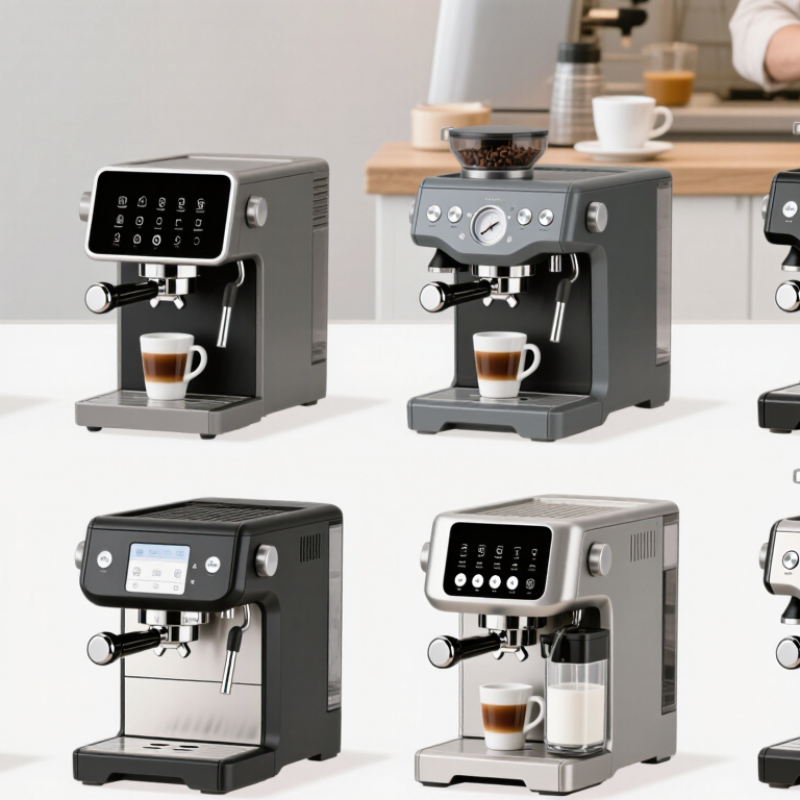
Global coffee demand keeps rising. The International Coffee Organization reported about 177 million 60-kilogram bags consumed in 2022/23. That scale makes capacity and repeatability important. The seven best automatic machine profiles include compact single-boiler units, dual-boiler units, thermoblock models, twin-hopper machines, ceramic-grinder systems, fresh-milk machines, and high-volume dual-outlet machines. Small cafés may need a 1.2-liter tank and a 250-gram hopper. Busy counters often require two-liter tanks, one-kilogram hoppers, and 60 to 150 drinks daily. Speed matters, but rushed extraction can flatten flavor.
SCA brewing guidance commonly places espresso extraction near 25 to 30 seconds. Buyers should test whether each machine maintains that range during repeated service. Ceramic grinders usually reduce heat transfer, while steel grinders can offer faster commercial throughput. Adjustable burr gaps matter more than impressive motor ratings. Programmable profiles should control dose, water volume, milk texture, and temperature. I still question simple “one-touch” claims; recipes may drift when beans change. A machine that saves ten seconds can create more waste if calibration is difficult.
Tips: Ask suppliers for a live stress test. Run ten milk drinks and ten black coffees continuously. Check recovery time, hopper access, cleaning steps, and error logs. Confirm voltage, water filtration, spare-part access, and local technician coverage before buying. Fancy screens are less useful than stable grinder calibration.
7 Best Automatic Coffee Shop Machine Configurations for Global Buyers
Comparison of typical commercial specifications: bean capacity, estimated hourly output, grinder count, and programmable drink selections.
These representative benchmarks reflect common commercial automatic-machine configurations rather than individual brands. Actual output depends on beverage size, recipe complexity, milk preparation, cleaning cycles, and operator workflow.
Global Buying Standards: CE, UL, Voltage, Water Quality, and Total Cost of Ownership
7 Best Automatic Coffee Shop Machines for Global Buyers
When comparing seven automatic coffee shop machines, global compliance should guide the shortlist.
CE marking indicates conformity with applicable European requirements, while UL evaluation supports electrical safety in North American markets. Neither mark replaces local verification. Ask for current certificates, test reports, and the exact model number. Documents must match the machine shipped.
Voltage and frequency can quietly create expensive problems. A 220–240V machine may fail on a 110–120V circuit without proper conversion. Check plug type, phase, breaker size, and startup load with a qualified electrician. Water quality matters just as much. Hard water can block valves, damage heaters, and change espresso flavor. Request a water analysis before choosing filters or softeners. Small details matter.
Total cost of ownership includes more than the purchase price. Measure daily output, cleaning time, filter replacement, spare parts, labor, energy use, and expected downtime. A cheaper machine can become costly after repeated service visits. In site evaluations, I have seen attractive specifications hide weak local support. That mistake is easy to repeat. Ask how quickly technicians respond and whether critical parts are stocked nearby. Test the machine during peak service, not only during a quiet demonstration. Reliable buying is sometimes less exciting, but it protects consistency, safety, and cash flow.