China Best Coffee Robot Barista Supplier for Global Buyers?

Choosing the China Best Coffee Robot Barista Supplier for Global Buyers requires more than comparing prices. It demands practical testing, technical knowledge, and careful supplier verification. A modern Coffee Robot Barista should produce consistent espresso, milk foam, and flavored drinks during busy service periods. It should also support safe cleaning routines, reliable payment systems, and clear operating instructions.

Experienced buyers often request live demonstrations before placing large orders. Watch how the robot handles grinding, dosing, extraction, and cup delivery. Ask for measurable details, including brewing time, daily capacity, maintenance intervals, and spare-part availability. Factory audits, product samples, customer references, and transparent certifications can strengthen purchasing confidence. Local voltage, language settings, installation conditions, and after-sales response times also matter.

Small details reveal supplier quality.

A dependable manufacturer should explain limitations, not only display attractive videos. Some machines may need frequent human refilling, regular calibration, or a trained technician nearby. These points can affect labor savings and long-term operating costs. They should be calculated honestly. Buyers must also confirm compliance with applicable food safety, electrical, and machinery requirements in their destination markets. No supplier can fit every café, hotel, airport, or retail environment perfectly. That is worth admitting. The strongest partnership usually combines proven engineering, realistic promises, documented support, and continuous product improvement. For global buyers, China can offer competitive manufacturing capabilities, but trust should be built through evidence, communication, and performance—not assumptions.

China Best Coffee Robot Barista Supplier for Global Buyers?

What Is a Coffee Robot Barista and How Does It Work?

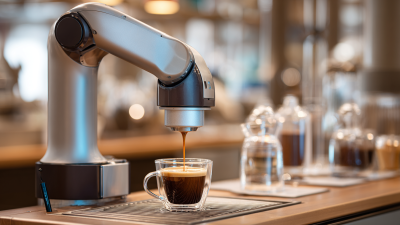
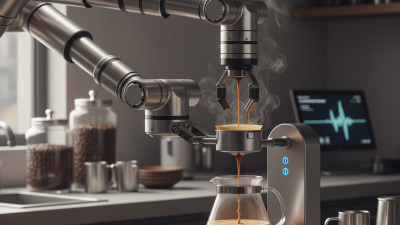
A coffee robot barista is an automated beverage station designed to prepare drinks with limited human assistance. It combines a robotic arm, ingredient containers, heating equipment, sensors, and control software. A customer selects a drink on a touchscreen. The system then measures coffee, dispenses milk, controls water temperature, and places the cup under the outlet. Some models also clean the brewing path automatically after service.

In real operating environments, consistency is the main advantage. The robot can repeat a programmed recipe during busy hours, while staff manage payments, supplies, or customer support. Sensors may detect cup position, ingredient levels, and brewing errors. However, automation is not magic. Milk texture can change, and a blocked nozzle may affect the final drink. Human inspection remains important, especially during daily opening and closing procedures. Reliable suppliers should explain maintenance needs, food-contact materials, software updates, and local service support clearly.

Tips: Check the robot’s cleaning cycle, emergency stop function, and temperature controls before buying. Ask for a live demonstration with several drinks, not one perfect sample. Review the warranty and spare-parts plan carefully. A lower purchase price may become expensive when training or repairs are overlooked. Supplier communication also matters. Clear manuals and responsive technical support often protect the investment better than impressive showroom speed.

China Best Coffee Robot Barista Supplier for Global Buyers?

What Is a Coffee Robot Barista and How Does It Work?

A coffee robot barista combines automated dosing, grinding, brewing, milk preparation, drink dispensing, and cleaning functions in one workflow. The chart shows representative processing times for a robot-prepared espresso-based drink. Espresso extraction is typically around 25–30 seconds, while grinding, milk preparation, dispensing, and cleaning vary according to the recipe and equipment configuration.

Indicative workflow data based on common espresso preparation parameters; actual cycle times vary by recipe, machine design, and service conditions.

Why China Is a Leading Source of Coffee Robot Baristas

China has become a leading source of coffee robot baristas because it combines manufacturing depth with practical automation experience. Suppliers can integrate robotic arms, espresso systems, grinders, payment units, and refrigeration within one compact station. This reduces coordination between separate vendors and often shortens development time.

Many Chinese factories also support customization for hotels, airports, offices, and shopping centers. Buyers can request different cup sizes, menu settings, cabinet materials, or local voltage standards. Engineers usually test drink temperature, extraction time, cleaning cycles, and machine response before shipment. A reliable supplier should provide test videos, technical drawings, spare-parts lists, and clear installation instructions. These details matter more than attractive demonstrations.

The supply chain is not flawless. Some early prototypes may produce uneven foam or require frequent calibration. That is why experienced buyers should inspect sample performance under real operating conditions. A busy café test is more useful than a showroom display. Remote diagnostics, operator training, and after-sales communication also influence long-term value. China’s advantages are strongest when engineering support matches production capacity. Price alone is not enough. A careful buyer should verify safety documentation, maintenance access, software stability, and cleaning procedures before approving a large order. Short pilot projects can reveal problems that factory testing misses. That lesson is easy to overlook.

How to Compare Chinese Coffee Robot Barista Suppliers

China Best Coffee Robot Barista Supplier for Global Buyers?

How to Compare Chinese Coffee Robot Barista Suppliers

Choosing a coffee robot barista supplier requires more than comparing machine prices. Review the supplier’s manufacturing experience, engineering team, and quality control records. Ask how each unit is tested before shipment. A reliable supplier should provide clear technical documents, traceable components, and realistic production timelines. Request a live demonstration, not only edited videos. Observe drink consistency, brewing temperature, cleaning steps, and recovery after a minor error.

Tips: Compare three suppliers using the same checklist. Request sample drinks, maintenance schedules, spare-parts prices, and warranty terms. Check whether technicians can communicate clearly in English. Visit the factory when possible. Photos are not enough.

Pay close attention to service after delivery. A robot may perform well during a trade show, yet struggle during a busy morning. Ask about remote diagnosis, software updates, installation training, and response times. Confirm which parts are standard and which require special orders. Calculate the full operating cost, including consumables, maintenance, shipping, and downtime. The lowest quotation may become expensive later. That mistake is common.

Also examine customization carefully. A supplier may promise a unique workflow without proving its stability. Request a written testing plan and acceptance criteria. Speak with existing commercial users, where possible, and ask about faults, cleaning labor, and actual daily capacity. Be willing to question impressive claims. A polished demo is useful, but repeated performance matters more.

Key Features, Certifications, and Customization Options

China Best Coffee Robot Barista Supplier for Global Buyers?

For global buyers, a coffee robot barista should be judged beyond speed and appearance. In practical demonstrations, stable milk temperature, accurate dosing, and repeatable extraction matter more than flashy screens. A strong supplier should explain cleaning cycles, brewing limits, and daily output clearly. No machine is maintenance-free.

Certifications support safer purchasing decisions. Ask for valid CE documentation, EMC test reports, and RoHS compliance where applicable. Food-contact components should have traceable material declarations. ISO 9001 certification can indicate controlled production processes, but it does not guarantee every machine performs perfectly. Buyers must verify certificate numbers, issuing bodies, and product model details. Local electrical and safety requirements may differ.

Customization can include cup sizes, grinder settings, payment systems, language interfaces, and cabinet dimensions. Some suppliers also adjust recipes for espresso, Americano, milk drinks, or plant-based alternatives. Useful options include remote diagnostics, usage data, replaceable brewing modules, and accessible water tanks. Request a sample machine or factory video before placing a large order. Check spare-part availability and warranty response times in writing. A cheaper quotation may hide difficult maintenance or slow support. That risk deserves honest attention.

China Best Coffee Robot Barista Supplier for Global Buyers? - Key Features, Certifications, and Customization Options

Evaluation Category Global Buyer Requirement Typical Technical Data or Feature Recommended Verification Common Customization Options
Beverage Capability Consistent preparation of multiple coffee beverages Espresso-based drinks such as espresso, americano, cappuccino, latte, and milk coffee. Recipes should be stored digitally and adjustable by dose, water volume, temperature, milk volume, and dispensing sequence. Request a live demonstration, recipe list, beverage repeatability test, and cleaning procedure. Recipe library Drink menu Cup size Local taste profile
Coffee Extraction Stable espresso quality during repeated operation Commercial systems commonly provide programmable grinding, dosing, tamping, brewing, and waste collection. Espresso settings should support adjustment of grind size, coffee dose, water volume, and extraction temperature. Check extraction settings, calibration method, grinder adjustment range, and performance under the expected daily beverage volume. Grinder configuration Dual bean hoppers Decaffeinated option Dose control
Milk System Safe and repeatable milk dispensing Options may include fresh-milk refrigeration, automatic milk foaming, plant-based milk compatibility, or powdered-milk dispensing. Fresh milk systems require temperature control and frequent cleaning. Confirm food-contact materials, milk temperature control, allergen-management procedure, cleaning time, and replacement parts. Fresh milk Powdered milk Plant-based milk Foam texture
Robotic Interaction Reliable automated preparation and customer-facing operation A robotic arm or automated motion module may handle cup positioning, beverage dispensing, lid placement, presentation, or cleaning-related movements. Safety functions should include controlled speed, emergency stop, and obstruction detection where applicable. Review risk assessment, emergency-stop test, guarded areas, operator instructions, and applicable machinery-safety documentation. Arm reach Cup handling Safety enclosure Motion sequence
Capacity and Workflow Suitable throughput for the intended location Capacity depends on beverage complexity, ingredient replenishment, cleaning cycles, and queue design. Buyers should evaluate beverages per hour rather than relying only on the robot arm’s movement speed. Request a timed throughput test using the target menu, cup sizes, payment process, and replenishment intervals. Peak-hour mode Queue logic Ingredient capacity Cup dispenser
User Interface Simple ordering for international customers Touchscreen ordering, menu images, multilingual interface, allergen information, order status, and cashless payment integration are commonly required for unattended or semi-attended locations. Test language switching, payment authorization, order cancellation, receipt generation, and accessibility of key instructions. Languages Brand-neutral UI Payment gateway Digital signage
Connectivity Remote monitoring and operational visibility Optional connectivity may include Ethernet, Wi-Fi, or cellular communication for equipment status, ingredient alerts, error notifications, sales data, and remote software support. Review data architecture, user permissions, network requirements, API availability, cybersecurity controls, and offline operating behavior. Cloud dashboard Local server API integration Alert rules
Food Contact Compliance Materials and components suitable for food and beverage use Wetted parts should be made from appropriate food-contact materials, such as suitable stainless steel, food-grade polymers, or approved tubing. Compliance requirements vary by destination market. Request material declarations, food-contact test reports, supplier declarations, and documentation relevant to the importing country. Tubing material Water path Cup material Allergen separation
Electrical Safety Compatibility with the destination country’s power system Typical commercial equipment may be configured for regional single-phase power systems, but voltage, frequency, plug type, rated current, and protective requirements must be confirmed before purchase. Check the nameplate, wiring diagram, electrical test report, plug standard, rated power, and destination-country requirements. Voltage Frequency Plug type Circuit protection
Applicable Certifications Evidence of conformity for the target market Common market requirements may include CE-related conformity for the European Economic Area, UKCA for Great Britain, FCC-related electromagnetic compatibility requirements in the United States, and food-contact documentation. Certification is product- and market-specific. Verify certificate scope, model number, issuing body, validity, applicable directives or standards, and whether the documents cover the complete machine. CE documentation UKCA documentation EMC testing Local compliance package
Hygiene and Cleaning Fast daily sanitation and clear maintenance procedures Expected functions may include automatic rinsing, guided cleaning programs, removable drip trays, accessible waste containers, descaling alerts, and sanitation records. Milk circuits generally require more frequent cleaning than coffee-only circuits. Measure cleaning duration, inspect access points, review chemical requirements, and confirm the recommended cleaning schedule. Auto-rinse Cleaning reminders Waste-bin size Sanitation log
Installation Requirements Straightforward deployment in retail, office, hospitality, or transport locations Site requirements may include stable flooring, electrical supply, ventilation clearance, water supply or tank access, drainage or wastewater handling, network coverage, and adequate service space. Request an installation drawing showing dimensions, clearances, connection points, loading route, and service-access zones. Water tank Direct water inlet Drain connection Compact layout
Environmental Conditions Reliable operation in the intended climate and indoor environment Operating temperature, humidity limits, condensation protection, dust exposure, and ventilation requirements should be defined in the technical manual. Outdoor deployment normally requires additional enclosure and environmental protection. Review the stated operating range, ingress-protection information where applicable, ventilation instructions, and environmental test evidence. Climate package Humidity protection Outdoor enclosure Ventilation design
Service and Spare Parts Long-term maintainability after installation A professional supply package should define preventive maintenance, response procedures, spare-parts availability, remote diagnostics, technician training, and warranty terms. Consumables and wear parts should be identified separately. Request the service manual, spare-parts list, warranty conditions, training plan, service-contact process, and estimated replacement lead times. Training language Extended warranty Spare-parts kit Remote support
Exterior and Retail Design A professional appearance that fits the installation environment Enclosure design may include stainless steel, coated metal, glass, or other specified materials. Buyers should confirm cleanability, access-panel design, anti-fingerprint surfaces, lighting, and customer-facing safety labels. Review engineering drawings, surface-finish samples, enclosure cleaning instructions, and a pre-production sample or approved visual specification. Panel finish Color Lighting Display layout
Packaging and Export Safe international transportation and efficient site delivery Export preparation should address shock protection, moisture protection, lifting points, crate dimensions, gross weight, spare-part packaging, and clear installation documentation. Wood packaging may require treatment and marking under destination-country rules. Confirm packing list, shipping dimensions, gross weight, loading method, insurance responsibility, and export documentation. Export crate Flat-pack modules Shock indicators Documentation language
Commercial Evaluation Transparent total cost of ownership Evaluate equipment price together with installation, shipping, duties, payment-system fees, water treatment, cleaning chemicals, consumables, maintenance, spare parts, software fees, and operator training. Request a complete quotation with Incoterms, lead time, warranty scope, exclusions, recurring fees, acceptance criteria, and after-sales responsibilities. Pilot unit Batch quantity Payment terms Service package
Buyer Acceptance Test Objective confirmation before final delivery or payment Acceptance criteria may cover beverage recipe accuracy, temperature consistency, throughput, payment completion, safety functions, cleaning performance, noise level, connectivity, and documentation completeness. Use a signed factory acceptance test and site acceptance test with measurable pass/fail requirements. Test menu Throughput target Site checklist Training sign-off

How Global Buyers Can Evaluate Costs, Delivery, and Support

Choosing a China-based coffee robot barista supplier requires more than comparing the machine price. Global buyers should calculate the landed cost, including packaging, freight, insurance, customs charges, installation, and spare parts. A low quotation can become expensive after delivery.

Ask for a detailed cost sheet and a realistic production schedule. Reliable suppliers should explain payment stages, inspection procedures, export documents, and delivery terms clearly. Request videos of the machine preparing different drinks, not only polished showroom footage. Check cup size, milk temperature, cleaning time, and daily output under normal conditions. Small details matter.

Support can decide whether the equipment earns money or stands unused. Confirm remote troubleshooting hours, local technician options, training materials, and warranty coverage. Ask how quickly common parts can be shipped. A useful supplier can provide a spare-parts list with prices and replacement instructions. Factory audits, test reports, and customer references add confidence, but they are not perfect proof. One overlooked issue is software compatibility with local payment systems or store networks. Buyers should test this before signing. Contracts should define response times, acceptance standards, and responsibilities for delays. Personal evaluation notes are valuable, yet they may miss problems during peak seasons. A trial order or live factory inspection can reveal more than a long sales presentation.