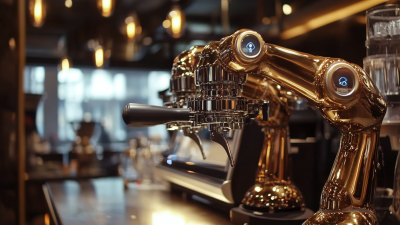
What is the Future of Fully Automated Coffee Shops?
The rise of the Fully Automated Coffee Shop signals a significant shift in the coffee industry. Recent market reports indicate a 15% increase in consumer interest in automated coffee solutions. This trend suggests that customers favor efficiency and convenience. Industry expert Dr. Emily Braun, who specializes in automation in food services, noted, "The Fully Automated Coffee Shop represents a new paradigm in delivering coffee efficiently and consistently."
As technology evolves, more entrepreneurs are considering this model. Fully Automated Coffee Shops promise reduced labor costs and increased service speed. However, challenges such as initial investment and maintaining product quality cannot be overlooked. Reports indicate that while automation can enhance operational efficiency, it must not sacrifice the artisanal qualities that coffee lovers cherish.
Customer preferences are also shifting. A study revealed that 42% of coffee drinkers appreciate the personalization of beverages. Fully Automated Coffee Shops must adapt to these demands. Balancing automation with a personal touch remains crucial. The future of this industry is full of potential, but it requires careful reflection on maintaining the human connection many customers value.
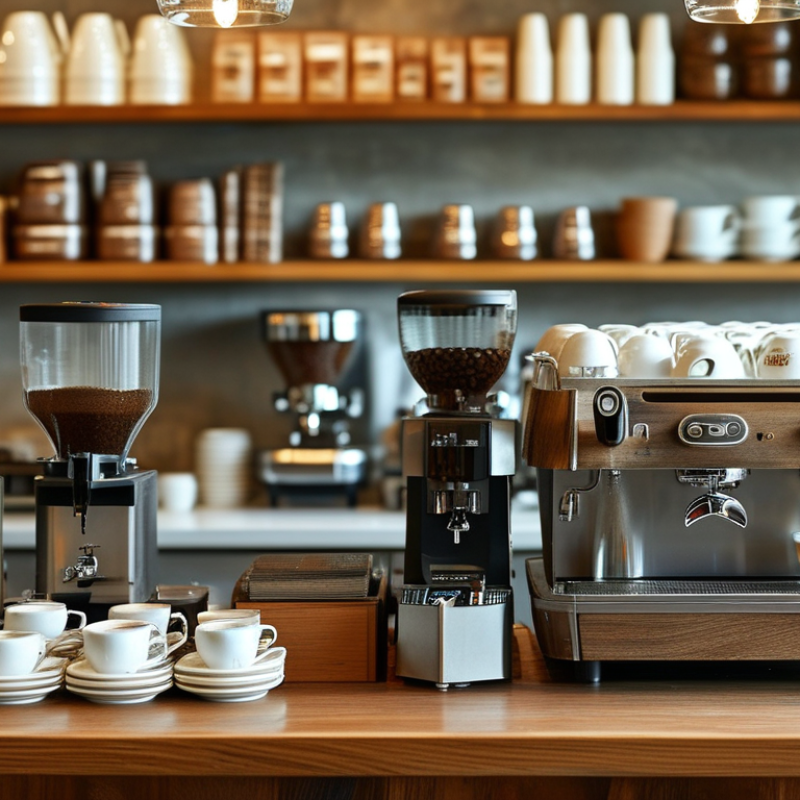
The Rise of Fully Automated Coffee Shops: An Overview
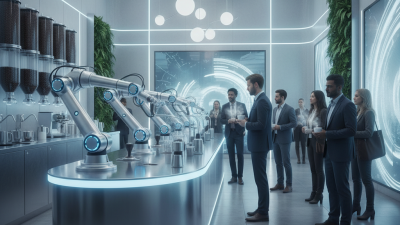
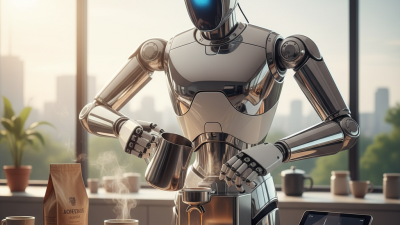
The rise of fully automated coffee shops is reshaping the coffee industry. These establishments leverage advanced technology to prepare beverages quickly. Robotic baristas can craft espressos with precision and consistency. Customers order via apps, minimizing wait times. This shift appeals to tech-savvy consumers seeking convenience.
However, the experience lacks the personal touch. Customers miss the interaction with human baristas. The aroma of freshly brewed coffee might get overshadowed by mechanical processes. While the efficiency is impressive, does it truly enhance the coffee-drinking experience? The debate continues about whether automation can replace human warmth.
As automated coffee shops gain traction, they also face challenges. Software glitches and hardware failures can disrupt service. Moreover, customers may be hesitant to trust machines for their coffee cravings. Such aspects invite reflection on the balance between innovation and tradition. Automation might streamline operations, but the essence of enjoying coffee relies on human connection.
Technological Innovations Driving Automation in Coffee Shops
The future of fully automated coffee shops hinges on rapid technological innovations that redefine customer experience. According to a 2022 report by the National Coffee Association, 78% of coffee consumers prioritize convenience. Automation caters to this desire. Touchless ordering systems and robotic baristas are becoming common, enabling faster service and reducing human errors. These advancements can elevate efficiency, leading to increased customer satisfaction.
Data shows that businesses implementing automation can increase their service speed by up to 30%. This change allows stores to serve more customers, especially during peak hours. Furthermore, labor costs can be reduced by as much as 25%. However, this transition raises essential questions about job displacement. The automation of roles that were traditionally human—like baristas—demands a reevaluation of workforce training and customer interaction.
Yet, relying solely on machines presents challenges. Many customers value the personal touch in coffee preparation. A study highlighted that 45% of consumers prefer human interaction in their coffee experience. Balancing efficiency with the warmth of service is crucial. As the industry inches towards full automation, the focus must remain on creating a harmonious relationship between technology and customer expectations.
Benefits of Fully Automated Coffee Shops for Consumers and Businesses
The rise of fully automated coffee shops offers noteworthy advantages for both consumers and businesses. These innovative establishments provide convenience that today’s busy lifestyle demands. Customers can enjoy freshly brewed coffee at the touch of a button, minimizing wait times. Imagine walking in and ordering your drink through a sleek kiosk or mobile app. It’s efficient and straightforward.
From a business perspective, automation reduces labor costs and streamlines operations. Fewer staff are needed, which allows for better cost management. However, reliance on machines can lead to challenges. What happens when the system fails? Human touch is often missing in a fully automated process. Also, machines can struggle with complex orders or unique customer preferences.
Quality control is another concern. While machines can ensure consistency, they may lack the nuance of a skilled barista. Adjusting taste according to customer feedback becomes challenging. It calls into question the balance between efficiency and quality. The technology’s evolution is promising, but it requires careful consideration of customer experience and service.
Challenges and Limitations Facing Automated Coffee Shop Models
The rise of fully automated coffee shops offers exciting possibilities but also presents significant challenges. According to a recent report by the International Coffee Organization, the global coffee market is projected to reach $200 billion by 2025. However, automating the coffee-making process is not as simple as it seems. Effective integration of technology can be costly. Initial setup expenses can deter operators, especially in a competitive market.
Customer interaction remains a crucial factor. Many consumers appreciate the personal touch that baristas provide. A survey by the National Coffee Association found that 70% of coffee drinkers prefer engaging with staff. Relying solely on machines might alienate customers who value that connection. Moreover, issues like machine maintenance and technical malfunctions add layers of complexity. An estimated 30% of automated machines face downtime due to such problems.
Moreover, the need for high-quality ingredients complicates the automation model. Automated systems must ensure consistent taste and brewing standards, which can be challenging. Issues like sourcing fresh coffee beans and maintaining quality control require expertise that machines alone cannot replicate. As the market evolves, businesses must navigate these nuances carefully to succeed in an increasingly automated landscape.
Future of Fully Automated Coffee Shops: Challenges and Limitations
Future Trends: How AI and Robotics Will Shape Coffee Shop Experiences
The future of coffee shops is exciting as AI and robotics transform customer experiences. Imagine walking into a café where a robotic barista greets you with a warm smile. Customers already expect quick service, and robotics can enhance speed and accuracy. Drinks are customized based on individual preferences, as AI learns from past orders. This not only caters to personal tastes but also minimizes waste.
However, the rise of automation raises questions. Reliance on machines may lead to a loss of the personal touch. Human interaction often fosters connections, which can be diluted by technology. Some customers might feel alienated or frustrated when faced with robots. The balance between efficiency and human experience is crucial.
Moreover, while AI can predict trends, it may struggle with the unexpected. Coffee culture is dynamic, influenced by local and seasonal factors. Robots may find it challenging to adapt to sudden changes, such as a new local trend in flavor. This unpredictability requires constant learning and adaptation. In the journey toward fully automated coffee shops, these are vital considerations for a truly enriching customer experience.
What is the Future of Fully Automated Coffee Shops?
| Dimension |
Current State |
Future Trends |
Impact on Customer Experience |
| Order Automation |
Basic touchscreen kiosks |
Voice-activated and app-based ordering |
Enhanced convenience and speed |
| Beverage Preparation |
Manual machines operated by staff |
Fully automated brewing robots |
Consistency in quality and taste |
| Customer Interaction |
Human baristas |
AI-driven personalized service |
Tailored recommendations, improved engagement |
| Payment Systems |
Cash and card payments |
Cryptocurrency and mobile wallet integration |
Faster, contactless payment methods |
| Supply Chain Management |
Basic inventory tracking |
AI analytics for real-time inventory |
Reduced waste and optimal stock levels |