Top 10 Robotic Cafe Manufacturers for Global Buyers?

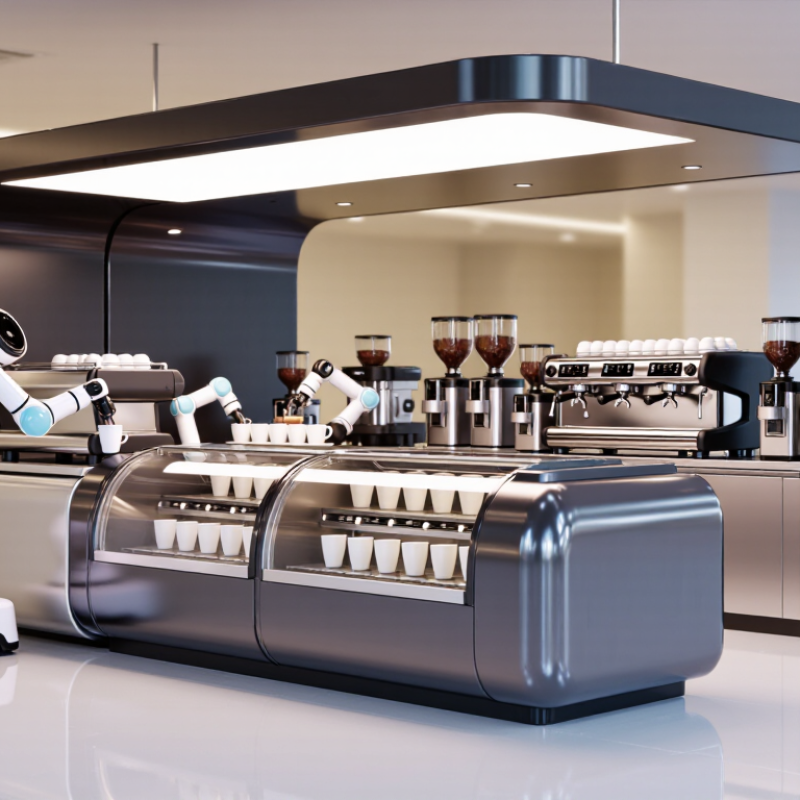
A Robotic Cafe is no longer just a novelty behind glass. It can mean a compact coffee kiosk with a robotic arm, an automated drink line, or a staffed café using robots for selected tasks. For global buyers, the real question is practical: can the system make consistent drinks, handle peak-hour orders, and fit the available space? Small details matter. A cup that lands slightly off-center, a slow milk cycle, or difficult cleaning can disrupt service.

Industry data shows why robotics deserves attention, but it does not prove every café needs automation. The International Federation of Robotics’ World Robotics 2024 report recorded 541,302 industrial robot installations worldwide in 2023, with an operational stock of 4.28 million units. Those figures describe industrial robots, not café machines. That distinction matters. Still, they point to a mature global supply base for robotics, components, and integration expertise. This guide compares ten robotic café manufacturers through buyer-focused criteria, including drink range, throughput, footprint, customization, maintenance support, and international service capability. These specifications should be checked directly with vendors; published capacity may differ from real-world performance. No shortlist can replace a site test. That is an imperfect truth, but a useful one.
Top 10 Robotic Cafe Manufacturers for Global Buyers?

What Defines a Robotic Café and Its Core Technologies

A robotic café is more than a vending machine with a moving arm. It connects drink preparation, ordering, payment, and handoff through a coordinated system. A robotic arm may dose coffee, move a cup, and position it beneath a dispenser. Machine vision helps locate cups and check work areas, while sensors monitor temperature, liquid levels, and equipment status. Software links recipes with orders and flags errors. The details matter: a misplaced cup can interrupt the whole sequence.

The International Federation of Robotics reported nearly 205,000 professional service robots sold worldwide in 2023, a 30% rise from 2022. This figure covers many service sectors, not cafés alone, so it should not be read as a café adoption count. For café operators, the practical test is consistency across busy periods, cleaning routines, and ingredient refills. Automation can reduce repetitive handling, but it does not remove maintenance or the need to respond when something goes wrong. That part is often underestimated.

Tips: Ask for a live demonstration using your cups, menu, and peak-hour order volume. Check cleaning access, refill time, and how staff can recover from a stalled order. A fast robot is not always a dependable café.

Criteria for Evaluating Robotic Café Manufacturers

A useful evaluation starts with the café’s actual menu and expected rush. Ask manufacturers to demonstrate the same drinks, cup sizes, and customizations your site will sell. Watch each step, from grinding and milk handling to handoff. Test it live. A polished showroom demo may not reveal slow recovery after a queue or an ingredient runs low.

Request measured results, not just advertised capacity. Compare drinks per hour, order accuracy, cleaning time, and uptime under similar conditions. Ask how staff handle blocked nozzles, empty containers, or payment interruptions. Review maintenance logs and response-time commitments, then check whether common replacement parts are available locally. Small delays add up. That matters.

Assess hygiene controls, temperature monitoring, and clear cleaning instructions with your food-safety lead. Confirm the system can connect with your ordering and payment tools, and ask what happens when the network drops. Request references from cafés with comparable traffic, layouts, and staffing. A site visit is better evidence than a slide deck. Also calculate installation, training, consumables, service, and downtime costs over several years. One weakness in my own checklist: it is easy to overvalue automation speed and overlook how confidently new staff can recover from an error. Include them in the trial.

Ten Robotic Café Manufacturers Serving Global Buyers

For global buyers, ten robotic-café manufacturers may offer very different solutions: robotic arms, automated coffee stations, self-service kiosks, or compact café modules. The International Federation of Robotics reported nearly 205,000 professional service robots sold worldwide in 2023. That figure is not café-specific. It does, however, show a growing market for commercial automation. The National Restaurant Association’s 2024 State of the Restaurant Industry report found that 76% of operators saw technology as a competitive advantage. Interest is clear; payback still depends on the site.

Compare each manufacturer on drink consistency, throughput, cleaning time, and local support. Ask for a live demonstration using your beans, cups, and menu. Watch the milk pitcher, not just the screen. Can staff clear a jam without calling overseas? Are spare parts stocked nearby? These details shape daily service more than a polished product video.

Global deployment adds friction. Buyers should check electrical requirements, payment integration, language options, and food-contact documentation for each market. Request installation timelines and written service-level commitments. A machine that serves 100 drinks per hour may still disappoint during a breakfast rush if refilling takes too long. There is also a human trade-off: automation can shorten queues, but a robotic counter may feel cold. Test it with actual customers. The first trial may be awkward. That is useful data.

Global Robotics Demand Context for Robotic Café Buyers

Share of global industrial robot installations by region in 2023

Asia accounted for the largest share of industrial robot installations in 2023. This provides broader automation-market context for global robotic café buyers; it is not a café-specific market breakdown. Regional shares are rounded.

Source: International Federation of Robotics, World Robotics 2024.

How Leading Manufacturers Differ in Automation and Service

Top 10 Robotic Cafe Manufacturers for Global Buyers?

Leading robotic cafe manufacturers differ in what they automate and how they support daily operation. One system may grind, brew, and pour, while another also handles payment, cup delivery, and order queues. More automation can reduce repetitive work, but it adds sensors, software, and failure points. Small details matter: Can staff clear a jam without tools? Are cleaning steps simple enough for a busy shift? A polished demonstration does not show everything. Refills can still be awkward.

The International Federation of Robotics’ World Robotics 2024 report recorded nearly 205,000 professional service robots sold in 2023, a 30 percent rise; the figure covers many sectors, not cafes alone. The National Restaurant Association’s 2024 industry report projected US restaurant sales of $1.1 trillion and employment of 15.7 million, underscoring the scale of service operations. For buyers, compare more than robot speed. Ask about local technicians, spare-part delivery times, remote diagnostics, software updates, and staff training. These figures offer context, not proof that automation will solve a cafe’s staffing or throughput problems. That distinction matters. A system that makes drinks quickly but waits days for a replacement pump may disrupt service more than it helps. Inspect a live installation during a busy period, and check how the machine handles an empty milk container or a cup placed slightly off-center.

Top 10 Robotic Cafe Manufacturers for Global Buyers? — How Leading Manufacturers Differ in Automation and Service

This is a practical comparison framework, not a verified ranking of named manufacturers. Capabilities vary by model, configuration, location, and service agreement; confirm each item with the supplier.

No. Comparison area What automation may include How offerings can differ What global buyers should verify
1 Order intake and payment Self-service ordering through a kiosk, mobile interface, or a connected point-of-sale system. Supported ordering channels, payment methods, and integration options vary by system and market. Local payment support, language options, tax handling, and compatibility with the buyer’s POS setup.
2 Drink preparation Automated steps may include dispensing, mixing, brewing, or programmed preparation routines. Automation can cover a single drink category or a broader menu; recipes and ingredient handling differ. Supported menu, recipe controls, ingredient requirements, cleaning needs, and drink consistency procedures.
3 Robot configuration A robotic arm or other automated mechanism can perform selected preparation or handoff tasks. Robot reach, work area, task sequence, and enclosure design depend on the equipment configuration. Installation footprint, access for maintenance, safety measures, and any site-specific operating requirements.
4 Customization and menu changes Software may allow operators to adjust recipes, menus, or order options. The available controls may range from preset selections to more configurable recipes and workflows. Who can make changes, whether training is required, and how updates are tested before going live.
5 Monitoring and diagnostics Connected systems may report operating status, errors, or selected usage information. Monitoring features, data access, alerting, and connectivity requirements vary across systems. What data is collected, who can access it, how alerts are handled, and what happens during network outages.
6 Cleaning and routine upkeep Some workflows can guide staff through cleaning or maintenance tasks; routine upkeep may still require people. Cleaning frequency, task complexity, and the amount of manual work depend on equipment and menu design. Written cleaning procedures, expected labor, consumables, and the service implications of missed maintenance.
7 Installation and commissioning Commissioning typically involves configuring equipment and checking that the system works at the site. Supplier involvement, site preparation, and commissioning scope can differ by project and location. Utility and space requirements, delivery responsibilities, acceptance tests, and installation schedule.
8 Training and documentation Training can cover daily operation, cleaning, basic troubleshooting, and escalation procedures. Training format, languages, documentation detail, and refresher support are set by the supplier’s offer. Training for each shift, translated materials, operator guides, and procedures for staff turnover.
9 Technical support and spare parts Support may be provided remotely, on site, or through local service partners. Coverage, response commitments, parts availability, and service hours depend on the contract and region. Support hours and time zone, escalation path, local technician availability, spare-parts lead times, and warranty terms.
10 Scaling across locations Multiple installations may be managed using shared processes or centralized system administration. Multi-site tools, configuration consistency, and regional deployment support vary by solution. Country-by-country compliance needs, network requirements, rollout capacity, and ongoing service coverage.

Key Factors for Selecting a Supplier and Planning Deployment

Selecting a robotic café supplier requires more than comparing machine speed. Check hourly drink capacity, recipe consistency, cleaning time, and local maintenance coverage. Ask for a live test using your actual cups, milk options, and peak-hour order mix. A polished showroom demo is not a busy café. Request uptime records and a written service response time, then confirm who supplies spare parts. The International Federation of Robotics’ World Robotics 2024 report recorded nearly 205,000 professional service robots sold in 2023, up 30% year over year. This signals wider service automation, but it is not a café-specific adoption figure.

Plan the site before signing. Measure counter space, doorways, water and drainage points, power supply, and customer queue paths. Confirm how the system connects to ordering and payment tools, and how staff handle jams or recipe changes. A small layout error can slow every order. Set acceptance tests with clear targets for drink quality, throughput, and recovery after faults. Include staff training and cleaning procedures in the deployment schedule, not as an afterthought. Some plans still underestimate daily wiping and restocking; revisit those assumptions after a trial week.

Tips: Run a short pilot during real peak hours. Track wait time, failed orders, cleaning minutes, and staff interventions. Compare results with agreed targets, and keep room for adjustments. One week may not reveal seasonal demand, so review the data again after several months.